What Are the Best Low Sodium Snacks for Heart Health and Wellness?
Finding snacks that are convenient, satisfying, and supportive of good health can be challenging, especially for seniors who need to pay closer attention to their sodium intake. Many popular snack foods contain high amounts of salt, which can affect blood pressure and overall wellness. The good news is that choosing low sodium snacks does not mean giving up flavor or enjoying boring meals.
With the right choices, snacks can become an important part of a balanced eating routine. Whether you need something quick between meals, a travel-friendly option, or a nutritious bite to support heart health, there are many delicious alternatives available.
As a health food expert working with senior nutrition, I have seen how small dietary changes can create noticeable improvements in energy levels, confidence, and daily wellness. Choosing smarter snacks is one of the easiest ways to support a healthier lifestyle without making overwhelming changes.
Content
What Are Low Sodium Snacks?
Low sodium snacks are foods that contain limited amounts of sodium compared to traditional snack options. Sodium is a mineral that helps regulate fluid balance and supports nerve and muscle function. However, consuming too much sodium may contribute to increased blood pressure and other health concerns.
For seniors, managing sodium intake becomes especially important because the body may process excess sodium differently with age. Many healthcare professionals recommend following a low sodium diet to support heart health and maintain healthy blood pressure levels.
Examples of naturally lower sodium choices include:
- Fresh fruits
- Unsalted nuts and seeds
- Fresh vegetables
- Plain yogurt
- Homemade snacks with little or no added salt
- Reduced sodium versions of packaged foods
The goal is not to eliminate sodium completely but to make smarter food choices throughout the day.
Why Choose Low Sodium Snacks for Better Health?
Many people underestimate how much sodium is found in everyday list of snack foods. Chips, salted crackers, processed meats, and packaged convenience foods often contain large amounts of hidden sodium.Choosing heart healthy snacks can help seniors and individuals managing certain health conditions maintain better nutrition while still enjoying their favorite flavors.Some benefits of choosing lower sodium options include:
Supports Healthy Blood Pressure
High sodium intake can cause the body to retain extra water, which may increase blood pressure. Replacing salty snacks with healthier alternatives can support better blood pressure management.
Promotes Better Heart Health
A diet focused on healthy low sodium foods can contribute to overall cardiovascular wellness. Combining low sodium choices with fruits, vegetables, lean proteins, and whole grains creates a more balanced eating pattern.
Encourages Better Eating Habits
When nutritious snacks are easily available, people are less likely to choose processed foods. Preparing simple snacks ahead of time can make healthy eating easier.
Best Low Sodium Snacks for Everyday Eating
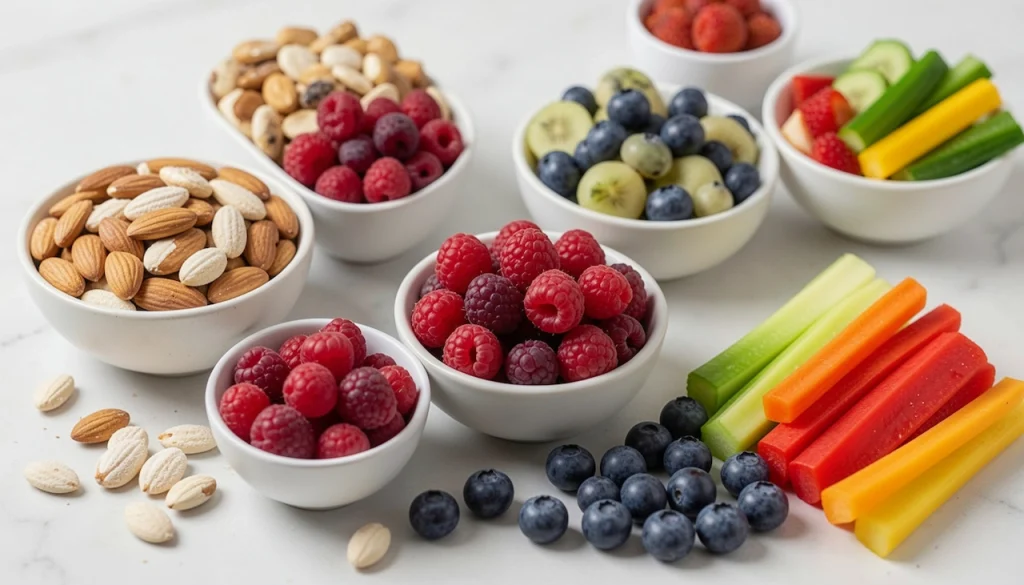
Choosing the right snack depends on your personal preferences, nutritional needs, and lifestyle. Here are some practical options that are both convenient and flavorful.
1. Fresh Fruits for Natural Sweetness
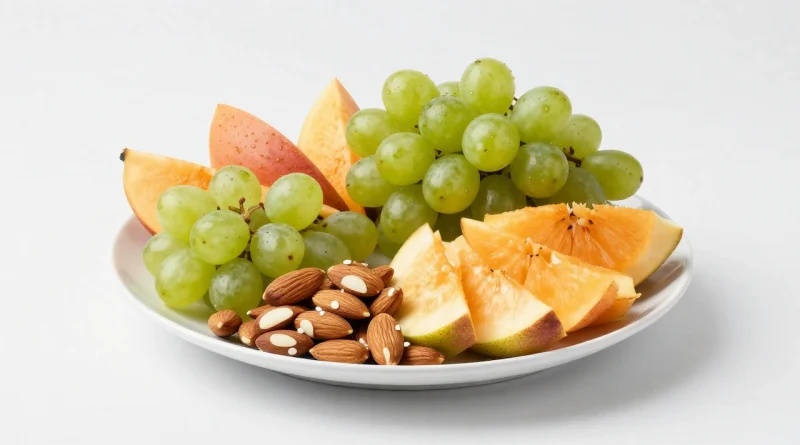
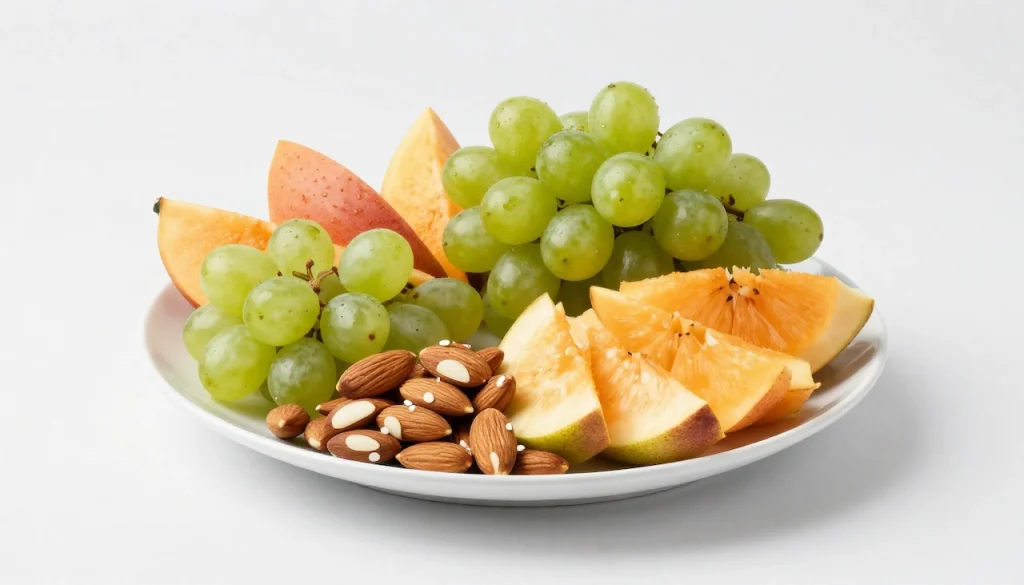
Fresh fruits are one of the simplest low salt snacks available. They require little preparation and provide important vitamins, minerals, and fiber.
Great options include:
- Apples
- Bananas
- Berries
- Oranges
- Grapes
- Melons
For seniors, softer fruits like bananas and berries can be easier to chew while still providing valuable nutrients.A personal favorite recommendation is keeping washed fruit ready in the refrigerator. This small habit makes it easier to grab a healthy snack instead of reaching for processed foods.
2. Unsalted Nuts and Seeds
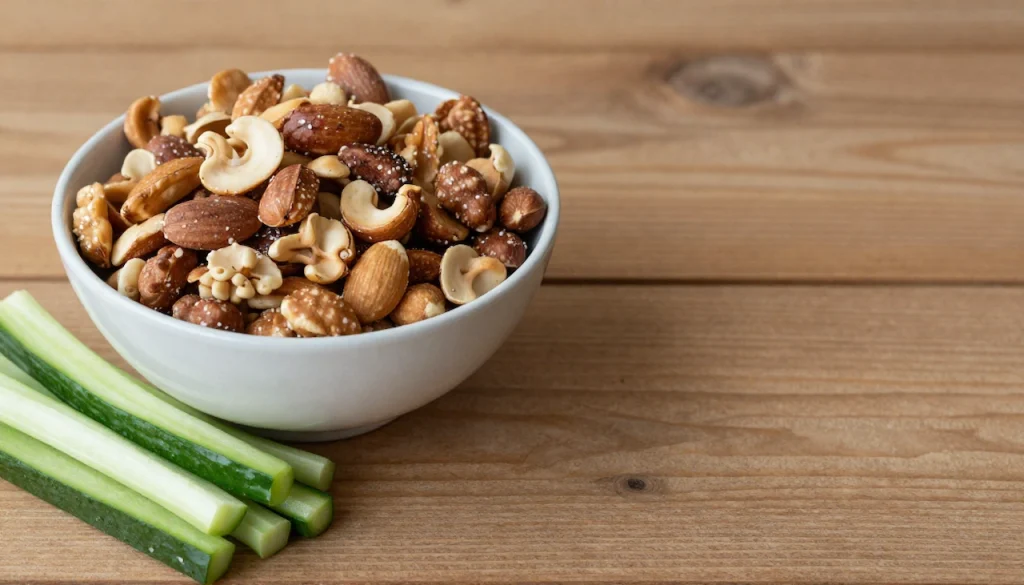
Nuts are excellent sources of healthy fats, protein, and essential nutrients. However, many packaged nuts contain added salt.
Choose:
- Unsalted almonds
- Unsalted walnuts
- Pumpkin seeds
- Sunflower seeds without added sodium
A small handful can help control hunger between meals while providing lasting energy.These are especially useful for seniors who want high protein low sodium snacks that are easy to store and carry.
3. Greek Yogurt With Fresh Toppings
Plain Greek yogurt is a nutritious option that provides protein and calcium. Adding fresh fruit, cinnamon, or a small amount of unsalted nuts can create a satisfying snack.Avoid flavored yogurts with high sugar levels and always check nutrition labels for sodium content.This is one of the low sodium snacks that taste good because it can be customized with different flavors naturally.
4. Homemade Vegetable Snack Plates
Fresh vegetables are naturally low in sodium and provide important nutrients.
Easy combinations include:
- Carrot sticks
- Cucumber slices
- Bell peppers
- Cherry tomatoes
- Celery sticks
You can pair vegetables with homemade hummus made with minimal salt or a low sodium dip.Preparing vegetable containers in advance makes them a convenient choice for busy days.
5. Air-Popped Popcorn
Popcorn can be a healthy snack when prepared correctly. Many microwave popcorn varieties contain high sodium levels, but homemade air-popped popcorn allows you to control the ingredients.
Instead of salt, try adding:
- Garlic powder without salt
- Paprika
- Cinnamon for a sweet version
- Dried herbs
This creates a flavorful snack while keeping sodium levels lower.
6. Low Sodium Crackers With Healthy Toppings
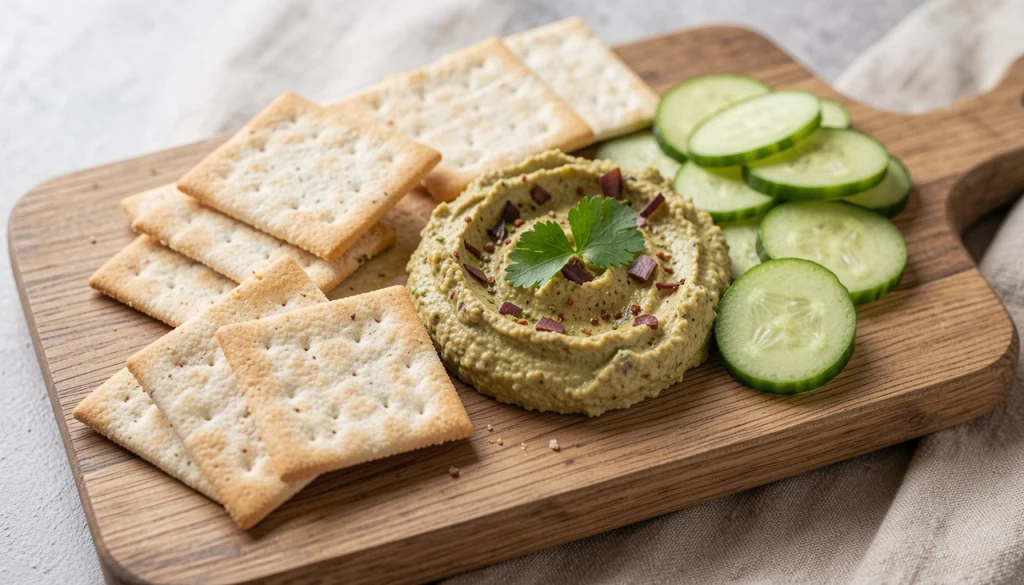
Crackers can still be part of a balanced snack when you choose better options.
Look for:
- Reduced sodium crackers
- Whole grain varieties
- Low salt options
Pair them with:
- Fresh avocado
- Unsalted nut butter
- Low sodium cottage cheese
This combination adds healthy fats and protein, helping you stay full longer.
Easy Homemade Low Sodium Snacks You Can Prepare
Many people assume healthy snacks require complicated recipes, but simple homemade options can be both affordable and nutritious.Some easy homemade low sodium snacks include:
Homemade Trail Mix
Combine:
- Unsalted nuts
- Dried fruit without added salt
- Seeds
Avoid pre-made trail mixes that often contain salty ingredients.
Fruit and Yogurt Bowl
Mix:
- Plain yogurt
- Fresh berries
- Cinnamon
- Chopped unsalted nuts
Vegetable Wraps
Use:
- Whole grain tortillas
- Fresh vegetables
- Low sodium spreads
Preparing snacks at home gives you better control over ingredients and portion sizes.
Best Store Bought Low Sodium Snacks
For many seniors, convenience matters. Fortunately, there are many best store bought low sodium snacks available if you know what to look for.When shopping, check food labels and choose products with:
- Lower sodium per serving
- Minimal processed ingredients
- No added salt when possible
Good options may include:
- Unsalted nuts
- Fresh fruit cups with no added sodium
- Low sodium popcorn
- Plain yogurt cups
- Unsalted rice cakes
- Low sodium granola options
Reading labels is an important skill because products marketed as “healthy” may still contain more sodium than expected.
How to Choose Healthy Low Sodium Snacks
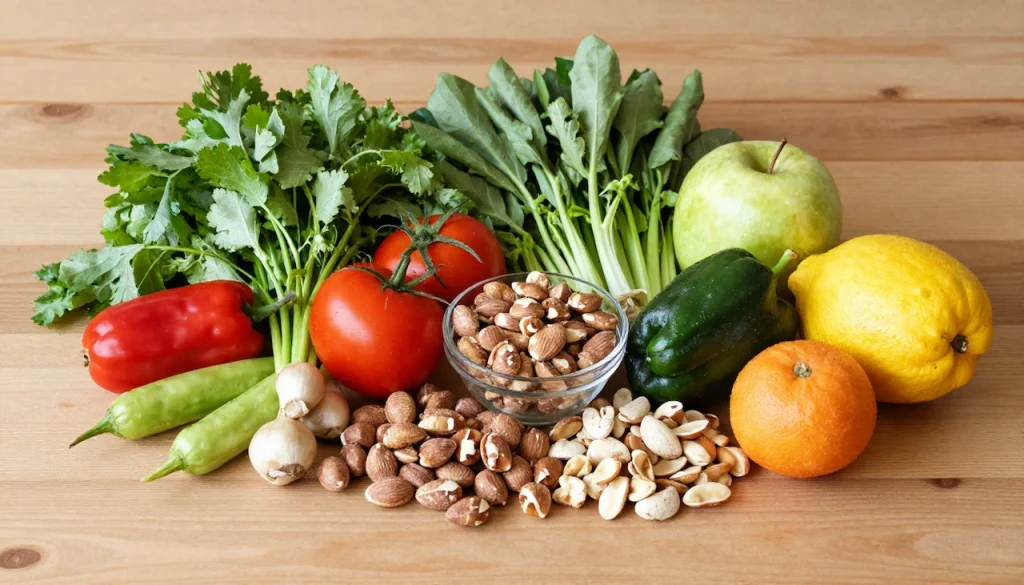
Making smart choices becomes easier when you follow a few simple strategies.
Read Nutrition Labels Carefully
Pay attention to:
- Sodium amount per serving
- Serving size
- Added ingredients
A product may appear low sodium but contain multiple servings in one package.
Plan Snacks Ahead
Keeping healthy options available prevents last-minute unhealthy choices.
Try preparing:
- Cut vegetables
- Fruit portions
- Homemade snack mixes
Focus on Flavor Without Extra Salt
You can improve taste using:
- Fresh herbs
- Lemon juice
- Garlic
- Spices
- Natural seasonings
Healthy food does not need excessive salt to taste good.
Real-Life Case Study: How Small Snack Changes Helped Improve Daily Wellness
A 72-year-old retired teacher named Margaret struggled with choosing snacks after her doctor recommended reducing sodium intake. She enjoyed salted crackers, chips, and packaged snacks because they were convenient and easy to store.Instead of removing snacks completely, we focused on replacing them with healthier alternatives.
Her new routine included:
- Apples with unsalted peanut butter
- Homemade popcorn with herbs
- Greek yogurt with berries
- Unsalted almonds
After several weeks, Margaret reported feeling more confident about her food choices and enjoyed having more energy during daily activities. The biggest improvement was that healthy snacks became a habit rather than a restriction.Her experience shows that small, realistic changes can make healthy eating easier and more sustainable.
Tips for Making Low Sodium Eating Easier
A few simple habits can help maintain a healthier routine:
- Prepare snacks in advance
- Keep fresh foods visible and accessible
- Avoid keeping highly processed snacks nearby
- Try new flavors using herbs and spices
- Choose whole foods whenever possible
The best approach is consistency. A healthy lifestyle is built through small decisions repeated every day, including choosing Healthy snacks for kids to encourage nutritious eating habits from an early age.
FAQs
What snacks have the lowest sodium?
Discover naturally low sodium snacks and smart food choices that help reduce salt intake while supporting a healthier lifestyle.
What junk food is low in sodium?
Learn which snack alternatives offer lower sodium without sacrificing taste or convenience.
What lowers sodium quickly?
Find simple dietary changes that may help reduce sodium intake and support better health.
What tastes like salt but has no sodium?
Explore salt-free flavor alternatives, herbs, and spices that add taste without extra sodium.
What are the worst foods for sodium?
Learn which common foods often contain high sodium levels and what healthier swaps to choose.

Alison is a health blog author with an interest in the intersection of wellness and mental health. She’s worked as a writer, editor, and communications specialist for various healthcare organizations. Alison has also led projects to improve access to care for underserved populations in both rural and urban settings.