Mental Health Ice Bucket Challenge: Meaning, Purpose, and Impact on Awareness
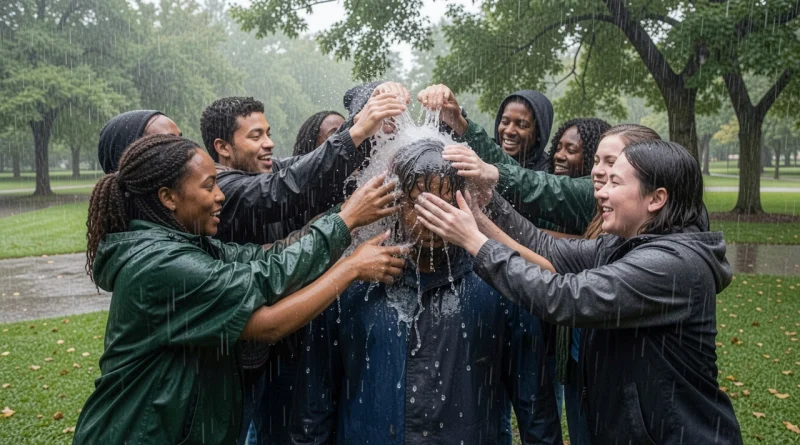
The Mental health ice bucket challenge has become one of the most talked-about modern awareness movements inspired by social media culture. While it takes inspiration from the original ALS Ice Bucket Challenge, this revived version focuses on mental health awareness campaign goals, aiming to reduce stigma and encourage open conversations around emotional wellbeing.
Over time, viral social media challenges have proven to be powerful tools for spreading awareness quickly, and this initiative is a strong example of how digital participation can influence real-world understanding of mental health issues.
In this article, I’ll break down what this challenge means, why it matters, how it spreads, and what impact it can have on individuals and communities—along with a real-life inspired case study.
Content
What Is the Mental Health Ice Bucket Challenge?

At its core, the Mental health ice bucket challenge is a symbolic awareness activity where participants share content, stories, or short videos to support mental wellness conversations. While some versions still include the ice-water concept for engagement, the main focus today is awareness rather than physical participation.If you’re wondering what is the mental health ice bucket challenge and how does it work, the idea is simple:
- A participant accepts the challenge
- They share a message related to mental health struggles or support
- They nominate others to continue the awareness chain
- The focus remains on education, empathy, and support
Unlike typical trends, this challenge is rooted in psychological health advocacy and aims to normalize discussions around stress, anxiety, depression, and emotional balance.
Why This Awareness Movement Matters Today
Mental health has become one of the most important global discussions in recent years. Many individuals still hesitate to talk about emotional struggles due to stigma or fear of judgment.This is where the challenge plays a role as a mental wellness support initiative, helping people feel less alone.
The rise of emotional wellbeing awareness campaigns shows how society is slowly shifting toward openness. Social media platforms make it easier for individuals to share personal experiences, which helps others feel understood and supported.In simple terms, this movement turns awareness into action by encouraging participation rather than passive learning.
Mental Health Ice Bucket Challenge: Connection Between Viral Trends and Awareness Growth
One of the strongest reasons this campaign works is the power of digital behavior. Today, viral social media challenges can reach millions within hours.The impact of viral social media challenges on mental health awareness is significant because:
- They increase visibility for important topics
- They encourage peer-to-peer sharing
- They make complex issues easier to understand
- They reduce hesitation around discussing mental health
This is why many modern online awareness movements rely on interactive formats instead of traditional campaigns.People are more likely to engage when they feel emotionally connected rather than just informed.
Role of Social Media in Spreading the Challenge
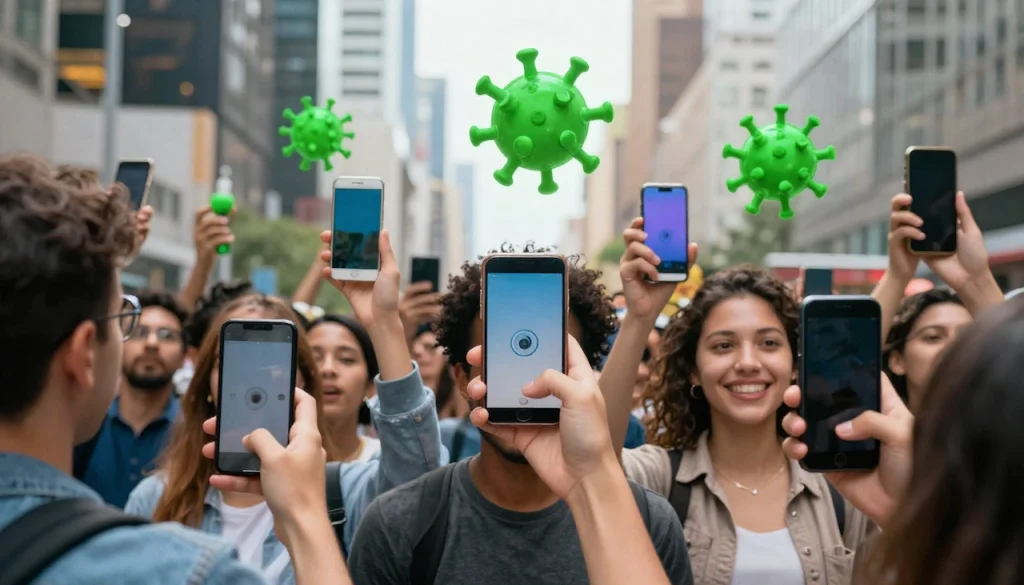
Social media is the backbone of this movement. Platforms like Instagram, TikTok, and X (Twitter) allow individuals to share personal stories instantly, making the message more relatable and widespread.The role of social media in promoting mental wellness initiatives can be seen in three major ways:
1. Rapid Awareness Distribution
A single post can reach thousands of viewers within minutes.
2. Community Engagement
Users comment, share, and nominate others, creating a chain reaction.
3. Normalizing Conversations
When public figures and everyday users talk about mental health, it reduces stigma.This is also why many experts believe that mental health awareness campaigns go viral on social media because they combine emotional storytelling with easy participation.
Impact on Fundraising and Public Engagement
Although the Mental health ice bucket challenge is primarily awareness-driven, it also indirectly contributes to nonprofit fundraising campaigns by increasing visibility and encouraging community engagement. Organizations often gain more exposure, which can lead to higher donations and stronger volunteer participation.
Some initiatives further strengthen the Mental health ice bucket challenge by partnering with mental health charities, allowing participants to share donation links or support resources alongside their posts. This blend of awareness and action helps make the Mental health ice bucket challenge more meaningful, sustainable, and impactful over time.
Real-Life Inspired Case Study: University Awareness Movement
To understand the real impact, let’s look at a practical example based on a university-led initiative.At a mid-sized university, a group of psychology students launched a mental health awareness version of the ice bucket challenge during exam season. They noticed that many students were struggling with stress but were reluctant to seek help.
What They Did:
- Created a short video explaining stress management tips
- Started a campus-wide challenge on Instagram
- Encouraged students to share one coping strategy
- Partnered with the university counseling center
Results:
- Over 2,000 students engaged within two weeks
- Counseling center appointments increased by 35%
- Students reported feeling more comfortable discussing stress
- The campaign was later adopted by two nearby colleges
This example shows how mental wellness support initiatives can create real behavioral change when combined with relatable storytelling and peer participation.
Benefits of Awareness Challenges Like This

The Mental health ice bucket challenge offers several benefits when executed responsibly:
Encourages Open Conversations
People feel safer talking about emotional struggles.
Reduces Stigma
Public participation normalizes mental health discussions.
Builds Support Networks
Friends and communities become more aware and supportive.
Increases Education
Many participants learn about coping strategies and resources.
However, like all digital movements, success depends on responsible sharing and accurate information.
Limitations and Criticism of Viral Awareness Campaigns
While powerful, not everything about these trends is perfect. Some experts point out limitations such as:
- Short-lived attention span of viral movements
- Limited long-term engagement beyond initial participation
- Risk of oversimplifying complex mental health issues
- Occasional performative involvement without real understanding
Even so, the Mental health ice bucket challenge continues to spark important conversations and keep mental health awareness in public focus.
How Individuals Can Participate Meaningfully
If someone wants to join the movement, it’s important to focus on authenticity rather than just participation.
Meaningful involvement can include:
- Sharing personal experiences responsibly
- Promoting mental health resources
- Encouraging friends to seek help when needed
- Supporting verified mental health organizations
- Practicing empathy in online conversations
This ensures the message goes beyond trends and creates real impact.
Final Thoughts on the Movement’s Future

The mental health ice bucket challenge represents a modern shift in how awareness spreads. Instead of traditional campaigns, people now rely on interactive, community-driven content to spark conversations. In a completely different context, lifestyle and wellness trends like the Daniel fast food list also show how people are becoming more intentional about what they consume and how it impacts both body and mind.
With continued evolution, such initiatives may become even more structured, combining emotional wellbeing awareness with professional mental health advocacy. As society becomes more digitally connected, the potential for positive change grows stronger. The key is ensuring that awareness always leads to understanding—and understanding leads to support.
FAQs
Why is Gen Z doing the Ice Bucket Challenge?
Gen Z often participates in the Mental health ice bucket challenge because it spreads awareness quickly through viral social media challenges and allows them to support mental wellness awareness in a simple, shareable way.
Has anyone survived ALS?
ALS (Amyotrophic Lateral Sclerosis) is a progressive neurodegenerative disease. While there are rare cases of long-term survival, most people diagnosed experience a shortened life expectancy, and no complete cure currently exists.
Why is ALS so hard to cure?
ALS is difficult to cure because it affects nerve cells in the brain and spinal cord. The exact cause is still not fully understood, and the disease progresses differently in each person, making treatment development very challenging.
Did celebrities also participate?
Yes, many public figures and celebrities have taken part in the Ice Bucket Challenge over the years, helping increase visibility and encouraging more people to engage with awareness campaigns, including modern versions like the Mental health ice bucket challenge.

Alison is a health blog author with an interest in the intersection of wellness and mental health. She’s worked as a writer, editor, and communications specialist for various healthcare organizations. Alison has also led projects to improve access to care for underserved populations in both rural and urban settings.