Basil is a herb that many traditionally associate with Italian cuisine, but its presence in Spain’s culinary landscape is quietly growing. While classic Spanish dishes often rely on rosemary, thyme, and parsley, basil in Spanish food is becoming a popular way to add a bright, aromatic touch. As a health food expert focusing on senior nutrition, I’ve seen how incorporating basil into meals not only enhances flavor but also provides health benefits that are particularly valuable for older adults.In this blog, I’ll share my personal experiences with this versatile herb, practical tips, and even a real-life case study to show how it can elevate your meals.
Content
Why Basil in Spanish Food Deserves a Spot in Your Kitchen
Traditionally, Spanish cuisine is rich in herbs like oregano, bay leaf, and saffron. However, the use of basil in Spanish food is increasingly appreciated, especially in modern and Mediterranean-inspired dishes. Basil adds a gentle sweetness and aromatic freshness that complements ingredients like tomatoes, olive oil, and seafood — staples of Spanish kitchens.
From a health perspective, basil is packed with antioxidants, vitamins, and anti-inflammatory compounds. For seniors, these properties can support heart health, improve digestion, and even help with cognitive function. Incorporating basil into your daily cooking is not just about taste; it’s a small but meaningful step toward healthier meals.
Essential Spanish Herbs and the Role of Basil in Spanish Food
Before diving deeper into basil, it’s helpful to understand the broader context of Spanish cuisine herbs. These herbs have traditionally flavored everything from stews to tapas:
Parsley: Adds freshness and balances rich flavors.
Rosemary: Common in roasted meats and potatoes.
Thyme: Infuses soups and slow-cooked dishes with subtle earthy notes.
Bay Leaf: A staple in stews, soups, and sauces.
Oregano: Often used in tomato-based dishes.
Introducing basil alongside these traditional herbs creates a delightful flavor layer without overpowering classic recipes.
How to Use Basil in Spanish Recipes
Basil in Spanish food can be used in multiple ways:
Fresh Garnish: Sprinkle chopped basil over gazpacho or tortilla española for a fresh twist.
Infused Oils: Make basil-infused olive oil to drizzle over roasted vegetables or grilled fish.
Sauces: Combine basil with roasted tomatoes to create a light, Mediterranean-style salsa for tapas.
Stews and Soups: Add whole basil leaves at the end of cooking to retain aroma and flavor.
From my experience teaching cooking workshops for seniors, the easiest way to start is to add fresh basil as a finishing touch. It’s simple, safe, and doesn’t require advanced culinary skills.
Growing Basil for Your Spanish Meals
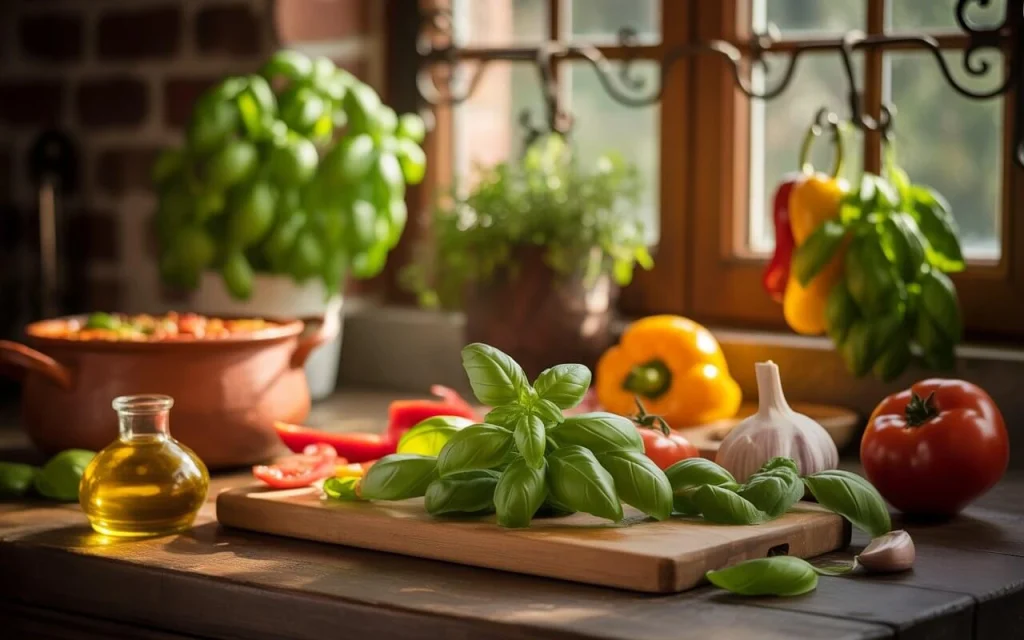
One of the joys of using basil is growing it yourself. Tips for cooking Spanish food with basil are incomplete without mentioning how accessible it is to cultivate this herb:
Sunlight: Basil loves sunny windowsills or terrace gardens.
Watering: Keep the soil moist but not soggy.
Pruning: Regularly trim leaves to encourage bushier growth.
Harvesting: Pick leaves just before cooking to maximize flavor.
Even in small apartments, seniors can maintain a small basil plant. One of my participants, Mrs. López, 72, grows basil in pots and uses it daily in her meals. She reports that it adds flavor and gives her a sense of satisfaction knowing she’s using fresh herbs she nurtured herself.
Creative Spanish Dishes with Basil
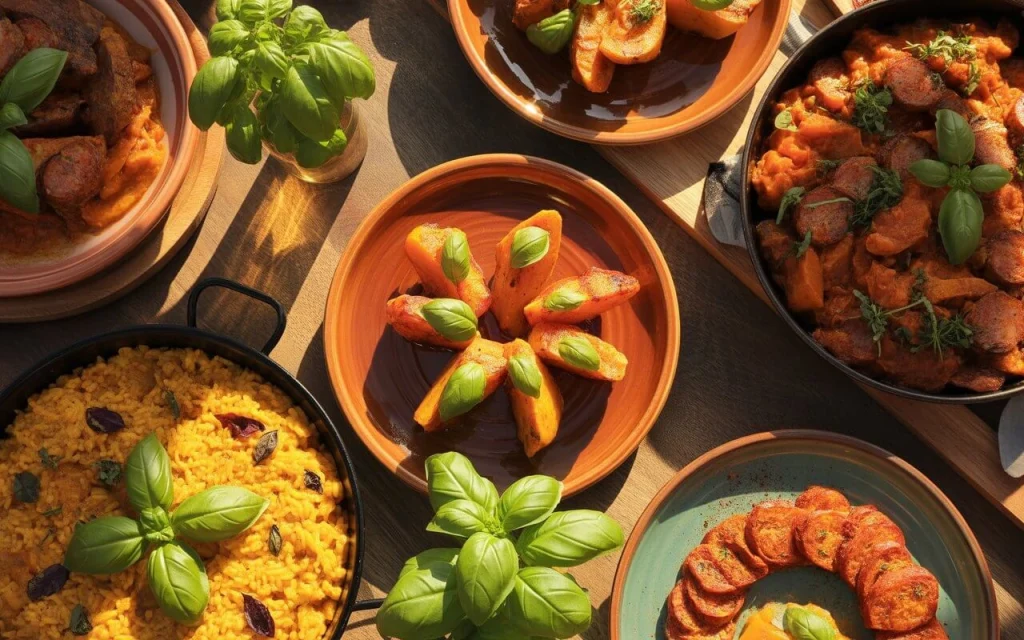
Here are some traditional Spanish dishes with basil that I recommend:
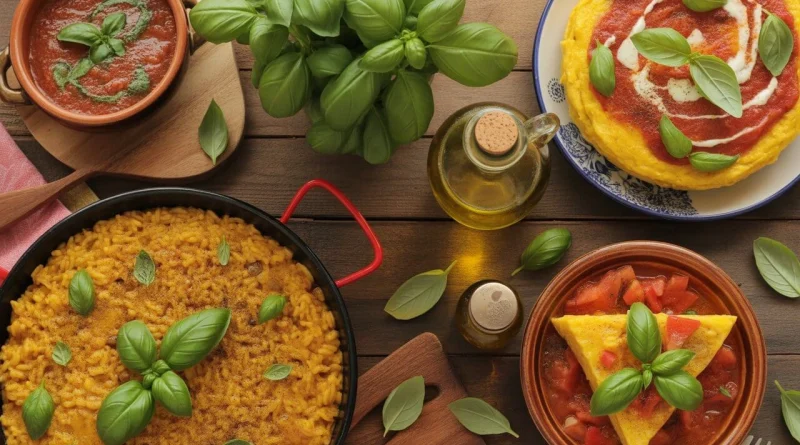
Basil Gazpacho: Blend ripe tomatoes, cucumber, bell pepper, and a handful of fresh basil. Chill and serve for a refreshing, nutrient-rich dish.
Basil-Tomato Tapas: Layer roasted cherry tomatoes with basil and a drizzle of olive oil on crusty bread.
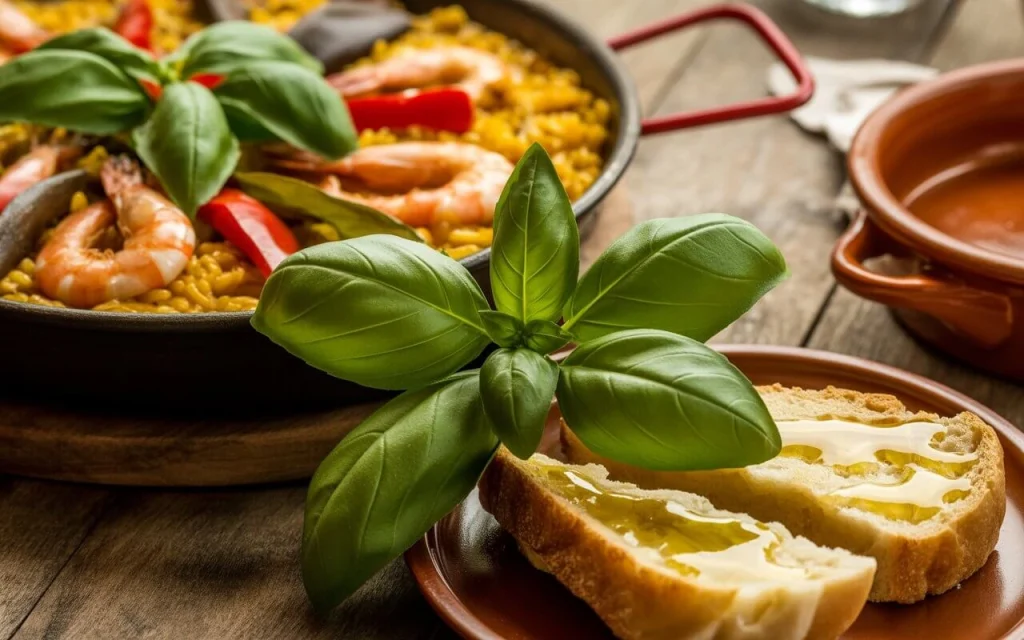
Seafood Paella Twist: Add basil just before serving to complement saffron and seafood flavors.
Spanish Omelette (Tortilla Española) with Basil: Add finely chopped basil to eggs and potatoes for a subtle, aromatic upgrade.
Each of these recipes introduces basil in Spanish food without straying too far from traditional flavors, making them easy for anyone to try at home.
Real-Life Case Study: Seniors Embracing Basil
To illustrate the impact of basil in Spanish food, let me share the story of Mr. García, a 68-year-old retiree who struggled with bland meals after moving to a senior community in Valencia. He attended a cooking class I organized and learned how to incorporate fresh basil in recipes like gazpacho and roasted vegetables.
Within weeks, Mr. García reported not only enjoying his meals more but also experiencing improved digestion and reduced bloating — benefits linked to basil’s anti-inflammatory and digestive properties. By the end of the program, he was sharing basil-infused dishes with neighbors, sparking a community interest in fresh herbs. This demonstrates that small additions like basil can have real health and social benefits, especially for seniors.
Why to Include Basil in Your Spanish Meals
Basil is more than just a garnish; it’s a versatile ingredient that can:
Brighten flavors without added salt or sugar.
Offer antioxidants and nutrients supportive of senior health.
Enhance both traditional and modern Spanish dishes.
Be easily grown at home, fostering independence and engagement.
Whether you are preparing a casual lunch or an elaborate dinner, basil introduces freshness, health, and a touch of Mediterranean charm.
Tips for Seniors Cooking with Basil in Spanish Food
Start small: Add basil to soups, stews, or salads first.
Pair with olive oil: Enhances absorption of fat-soluble nutrients.
Chop gently: Avoid bruising leaves to retain flavor and aroma.
Experiment gradually: Combine with parsley, thyme, or oregano to respect classic Spanish flavors.
Conclusion
Basil in Spanish food is a modern yet meaningful addition to traditional cuisine. Its flavor, aroma, and health benefits make it especially appealing for seniors who want to eat well without sacrificing taste. From practical gardening tips to simple recipe applications, basil bridges tradition and innovation in the kitchen.
Using a sharp kitchen cooking knife to chop fresh basil not only preserves its vibrant flavor but also makes meal preparation easier and more enjoyable. By incorporating basil into your daily cooking, you can create dishes that are both delicious and supportive of your health. As Mr. García’s story shows, even small changes like adding basil can transform your culinary experience and overall lifestyle.
FAQs
What is basil in Spanish cooking?
Basil in Spanish food is a fragrant herb used to add freshness and flavor to dishes like gazpacho and tapas.
What is basil called in Spain?
In Spain, basil is commonly known as albahaca, used in traditional and modern Spanish cuisine.
Is the Spanish diet healthy?
Yes, the Spanish diet emphasizes vegetables, olive oil, seafood, and herbs like basil, supporting overall health.
What kind of food is basil?
Basil is an aromatic herb used in salads, sauces, soups, and Mediterranean-inspired dishes.
What is the closest substitute for basil?
Oregano, thyme, or fresh parsley can be used as a substitute for basil in Spanish food.
Alison is a health blog author with an interest in the intersection of wellness and mental health. She’s worked as a writer, editor, and communications specialist for various healthcare organizations. Alison has also led projects to improve access to care for underserved populations in both rural and urban settings.
Alison is a health blog author with an interest in the intersection of wellness and mental health. She's worked as a writer, editor, and communications specialist for various healthcare organizations. Alison has also led projects to improve access to care for underserved populations in both rural and urban settings.