High Porosity Hair: Causes, Care Tips, and Best Products for Healthy Strands
Hair that seems to drink up moisture but dries out quickly can feel like a mystery. You apply your favorite products faithfully, yet they vanish into your strands without lasting effect. If this sounds familiar, your hair may have high porosity hair. Understanding this unique characteristic is essential, especially as we age, because hair health affects not only appearance but overall scalp wellness.In this article, I’ll break down the causes, signs, care tips, and best products for managing it, sharing personal experiences, practical advice, and a real-life case study to help you nurture your strands back to health.
Content
What is High Porosity Hair?
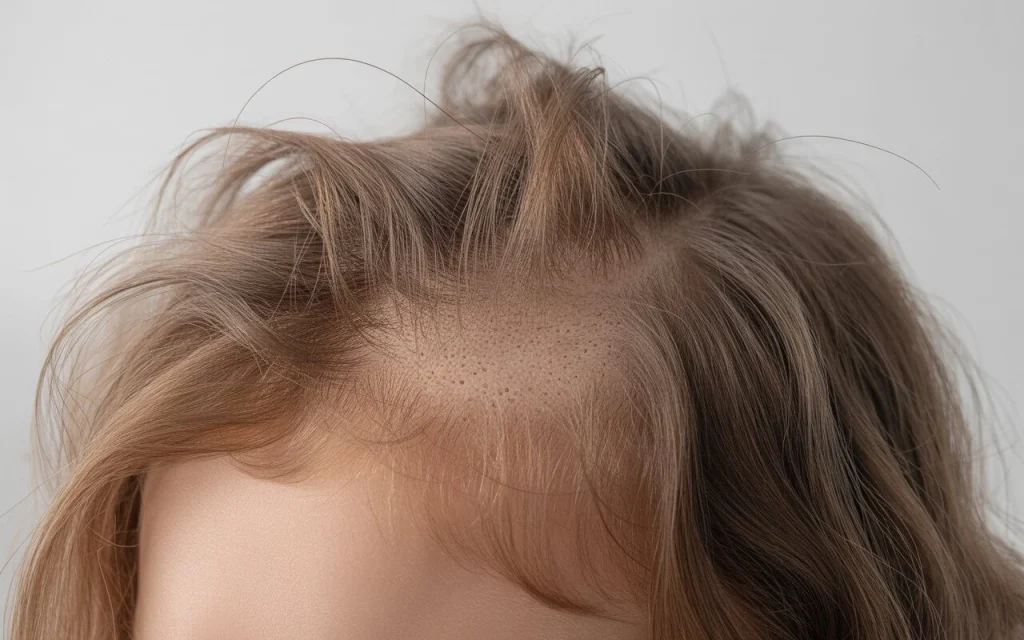
Hair porosity refers to your hair’s ability to absorb and retain moisture. Simply put, it’s about how your hair cuticles — the protective outer layer — allow water and nutrients to pass in and out. High porosity hair has cuticles that are more raised or damaged, meaning it absorbs moisture quickly but struggles to retain it.This type of hair is often described as “thirsty” because it drinks up products but loses moisture just as fast. Understanding your hair’s porosity is the first step to building a hair care routine that actually works.
Characteristics of High Porosity Hair
Not all high porosity hair looks the same, but there are common signs to watch for:
- Hair dries quickly but feels brittle or frizzy
- Ends are prone to breakage
- Products seem to disappear shortly after application
- Hair tangles easily
- Frizz appears after washing or in humid weather
From my personal experience, I noticed my hair would look smooth right after a deep conditioning session, but within a few hours, it felt dry and rough. This inconsistency is a hallmark of hair that struggles to retain moisture.
How to Tell If You Have High Porosity Hair
There are simple at-home tests to determine if your hair is high porosity:
- The Float Test: Take a strand of clean hair and place it in a glass of water. If it sinks quickly, your hair is likely to have a high porosity.
- The Slip Test: Run your fingers along your hair shaft. If it feels rough or catches easily, your cuticles may be lifted.
- The Elasticity Test: Gently stretch a hair strand. If it stretches too much and snaps easily, high porosity could be the cause.
These tests are practical and can help seniors and busy adults alike understand their hair without complicated tools.
How to Care for High Porosity Hair
Caring for high porosity hair requires patience, consistency, and the right approach. Here’s a routine that works well, based on personal experience and tried-and-true methods:
1. Pre-Pooing and Detangling
Before shampooing, apply a nourishing oil or conditioner to reduce breakage and tangling. This step helps protect delicate strands and prevents moisture loss during washing.
2. Moisture Retention with the LCO Method
The LCO Method (Liquid → Cream → Oil) is excellent for high porosity hair. Start with water or a leave-in conditioner, follow with a cream moisturizer, and seal it with oil. This method helps lock in hydration, keeping your hair soft longer.
3. Protein Treatments
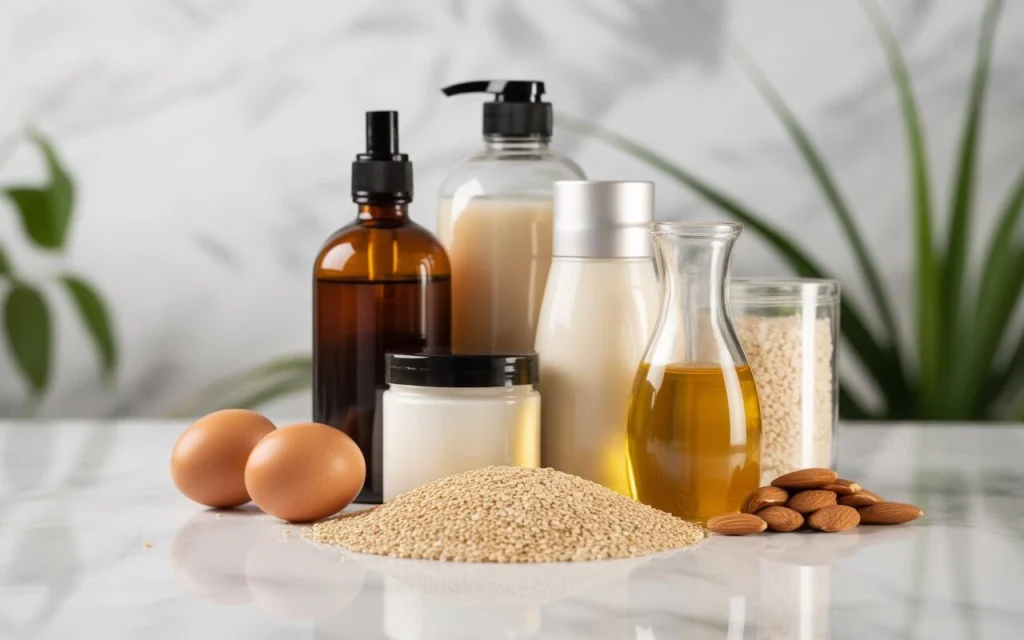
Hair with raised or damaged cuticles often becomes fragile. Weekly or bi-weekly protein treatments can strengthen strands and reduce breakage. Products labeled for “protein treatment for fragile or porous hair” work particularly well.
4. Use the Right Products
Look for products rich in moisture and oils, avoiding heavy silicones that weigh hair down. Lightweight leave-ins, creamy moisturizers, and natural oils like jojoba or coconut are perfect.
5. Protective Styling
Styles like loose braids, buns, or twists reduce manipulation and minimize breakage. Seniors or adults with thinning hair may find these styles protect their hair while promoting scalp health.
Additional Tips for High Porosity Hair
- Wash hair less frequently to avoid stripping natural oils and to help your strands retain much-needed moisture.
- Avoid excessive heat styling; if you must use heat tools, always apply a heat protectant to reduce potential damage.
- Trim split ends regularly to prevent damage from spreading and to keep your hair looking healthier and more manageable.
Incorporate a gentle scalp massage to stimulate blood flow and support healthy hair growth. Just as trends like Black french tip nails show how small details can elevate your overall look, consistent hair care habits can make a noticeable difference in the health and appearance of your hair.
Real-Life Case Study: Sarah’s Hair Transformation
Let me share the story of Sarah, a 62-year-old retiree I worked with. She came to me frustrated — her hair felt dry, brittle, and unmanageable despite daily conditioning. After analyzing her routine, we discovered she had high porosity hair.
Here’s what we did:
- Started with a weekly pre-poo using avocado oil
- Introduced the LCO Method with a lightweight cream and natural oil seal
- Added a bi-weekly protein treatment
- Switched to protective styles like loose twists
Within six weeks, Sarah’s hair retained moisture better, breakage reduced significantly, and her scalp felt healthier. She shared how excited she was to finally see smooth, hydrated strands — a transformation that improved her confidence as well.
Best Products for High Porosity Hair
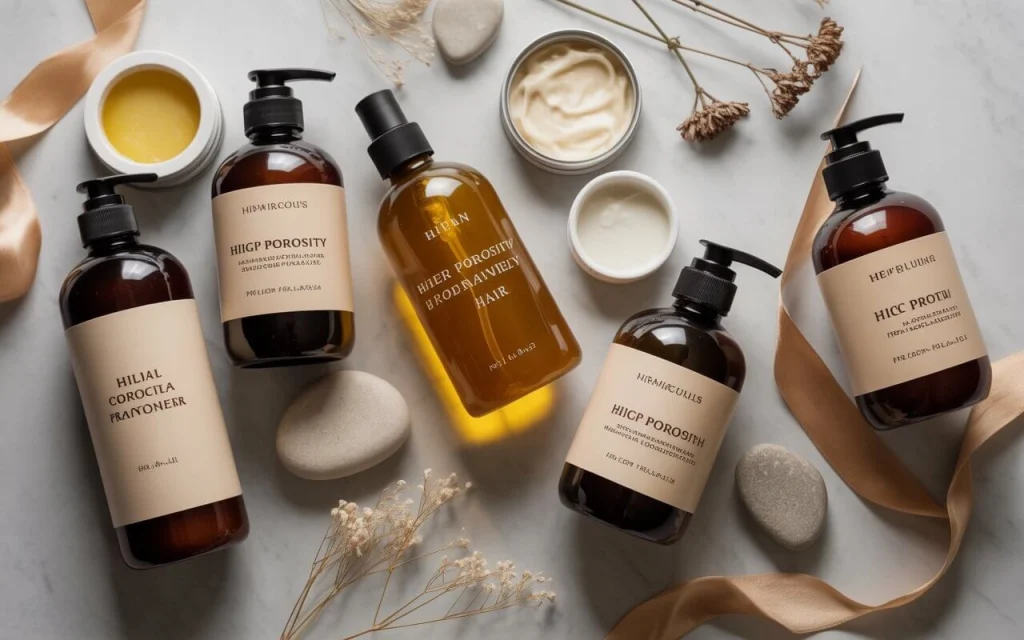
Some products I recommend for seniors and adults with high porosity hair include:
- Leave-in conditioners with natural oils
- Deep conditioners with protein and moisture balance
- Moisturizing creams for daily hydration
- Lightweight natural oils for sealing moisture
Always patch-test new products to avoid scalp irritation, especially for seniors with sensitive skin.
Conclusion
High porosity hair can feel challenging, but with the right care, routine, and products, it’s entirely manageable. By understanding your hair’s unique needs, using moisture-retention techniques, and choosing the right products, you can transform your strands from dry and brittle to soft, healthy, and manageable.
The Natural hair movement has also encouraged many people to embrace their natural hair textures and learn how to care for them properly. By following practices inspired by the Natural hair movement—such as focusing on hydration, gentle styling, and natural ingredients—you can better support the health of high porosity hair.Remember, every strand has a story. Take the time to nurture yours, and your hair will thank you — just like Sarah’s did.
FAQs
How can you tell if your hair absorbs moisture too fast?
If it feels soft right after washing but dries out quickly, your strands may struggle to retain moisture.
Best ways to repair fragile or porous hair strands?
Regular protein treatments, deep conditioning, and moisture-sealing routines help strengthen and repair fragile hair.
Are more porous strands healthier than others?
Not necessarily. While they absorb products quickly, they are more prone to breakage and dryness if not cared for properly.
How do you know if hair has raised or damaged cuticles?
Hair that tangles easily, feels rough, or frizzes quickly often has raised or weakened cuticles.
Can applying oil help retain moisture in fragile hair?
Yes! Lightweight natural oils like jojoba or coconut can seal in moisture and prevent dryness.

Alison is a health blog author with an interest in the intersection of wellness and mental health. She’s worked as a writer, editor, and communications specialist for various healthcare organizations. Alison has also led projects to improve access to care for underserved populations in both rural and urban settings.