

Kitchen Cooking Knife: Types, Uses, and How to Choose the Right One
Preparing healthy meals for seniors has taught me one simple truth over the years: the right kitchen cooking knife can make cooking safer, easier, and far more enjoyable. When you cook daily—especially softer, nutrient-rich meals for aging parents or clients—you quickly realize that not all knives are created equal.
A good knife isn’t just about sharpness. It directly affects control, comfort, and confidence in the kitchen. For seniors and caregivers alike, choosing the right tool can reduce strain, prevent accidents, and improve overall food quality. This guide breaks down everything you need to know, from knife types to materials, real-life use cases, and how to choose an option that truly fits your needs.
Content
Why a Kitchen Cooking Knife Matters More Than You Think
A kitchen cooking knife is the foundation of every meal. Whether slicing soft fruits for breakfast, chopping vegetables for soup, or preparing lean protein for dinner, the knife determines how smoothly the process goes.From my experience working with seniors, dull or poorly balanced knives often lead to:
- Hand fatigue
- Uneven cuts
- Increased risk of slips and injuries
Types of Kitchen Cooking Knives and Their Uses
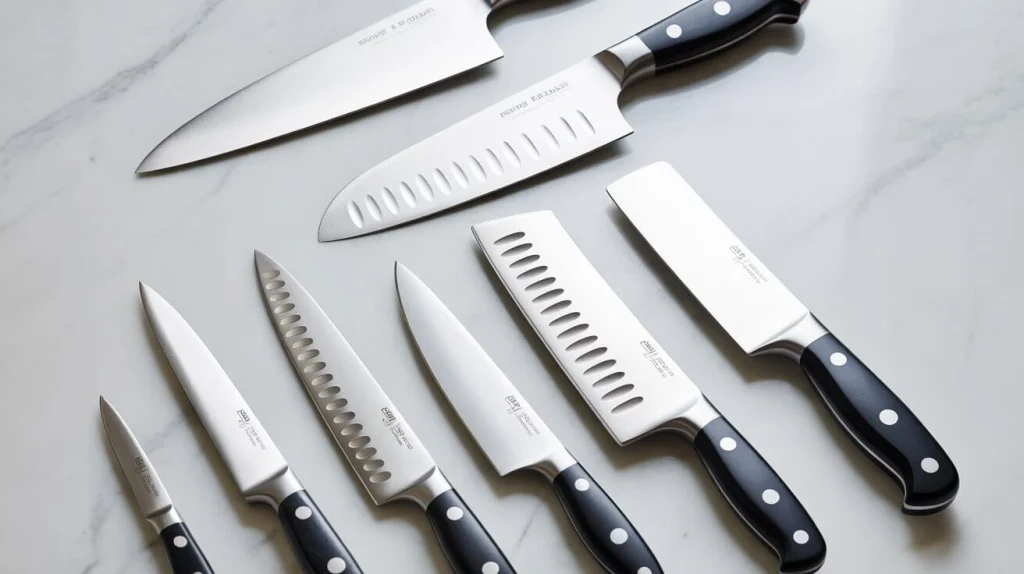
Understanding kitchen knife types helps you choose tools that match specific cooking tasks instead of relying on one knife for everything.
Chef Knife for Everyday Cooking
The chef knife is the most versatile kitchen cooking knife. It’s ideal for:
- Chopping vegetables
- Slicing cooked meats
- Preparing herbs
For seniors, a chef knife with good balance and a comfortable grip works best.
Santoku Knife for Precision Cuts
A Santoku knife offers excellent control and works well for:
- Thin slicing
- Dicing softer foods
- Controlled cutting motions
It’s often easier to handle for those who prefer shorter blades.
Paring Knife for Small Tasks
A paring knife is perfect for:
- Peeling fruits
- Trimming vegetables
- Small detail work
In senior-friendly kitchens, this knife reduces strain when handling delicate ingredients.
Kitchen Cooking Knife Materials Explained
Choosing the right blade material affects durability, maintenance, and performance.
Stainless Steel Kitchen Knife
A stainless steel kitchen knife is popular for good reason:
- Rust-resistant
- Easy to maintain
- Lightweight
Carbon Steel Knife for Edge Retention
A carbon steel knife holds its edge longer and offers superior sharpness. However, it requires more care and drying after use. I usually recommend it to confident home cooks rather than beginners.
Blade Sharpness, Angle, and Safety
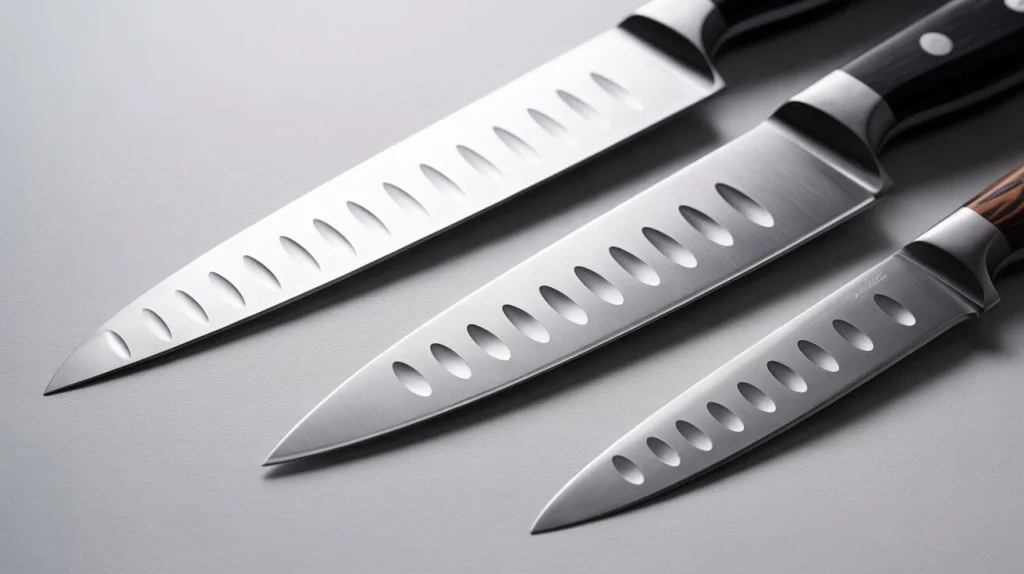
Many people assume sharper knives are more dangerous, but in reality, the opposite is true. A properly maintained knife:
- Requires less force
- Produces cleaner cuts
- Reduces slipping
Understanding knife edge retention and blade angle helps ensure safer handling. Most kitchen knives are sharpened to around 15–20 degrees, offering a balance between durability and precision.
How to Choose the Right Knife for Seniors
If you’re wondering which knife is best for seniors, here’s what truly matters.
Ergonomic Handle Design
An ergonomic kitchen cooking knife handle reduces hand strain. Look for:
- Non-slip grips
- Rounded edges
- Balanced weight distribution
Weight and Balance
Heavy knives cause fatigue, while overly light knives lack control. The ideal knife feels like an extension of your hand.
Size Matters
For seniors, medium-sized blades offer better control than oversized knives.
Real-Life Case Study: Cooking Healthier Meals for My Father
When my father turned 72, arthritis made cooking painful for him. He loved preparing meals but struggled with dull knives and stiff handles. I noticed he avoided chopping fresh vegetables and relied more on packaged food.We switched to a kitchen cooking knife for beginners with a lightweight blade, ergonomic handle, and excellent balance. The change was immediate.
Within weeks:
- He started cooking again
- His confidence improved
- Fresh vegetables returned to his meals
Essential Knife Care and Maintenance Guide
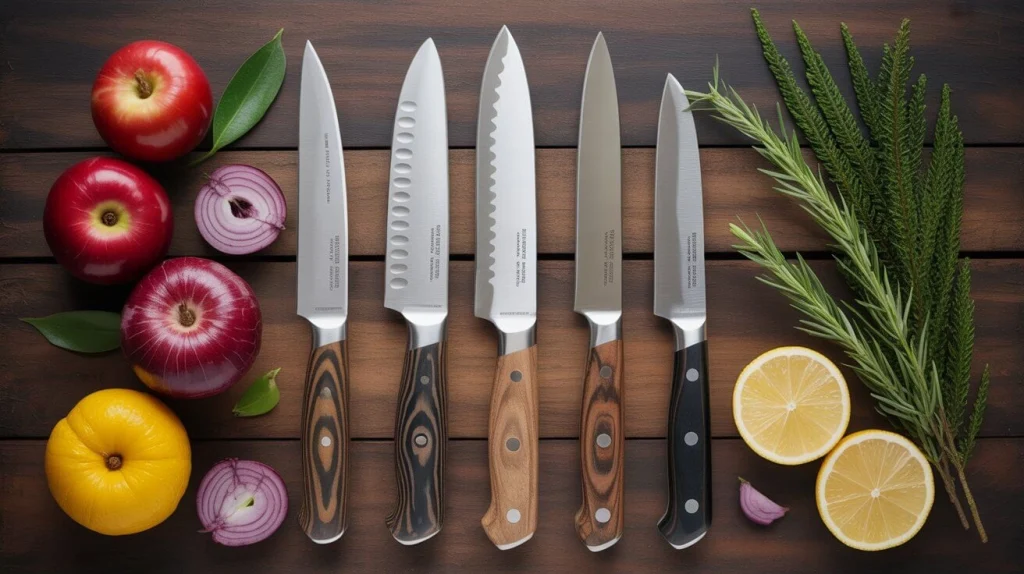
Proper care extends the life of your knife and improves safety.
How to Sharpen a Kitchen Cooking Knife
Regular sharpening ensures consistent performance. You can use:
- Honing rods for alignment
- Whetstones for deeper sharpening
Storage Tips
Safe storage prevents accidents and dulling:
- Knife blocks
- Magnetic strips
- Blade guards
Cooking Techniques That Work Best with the Right Knife
Using proper knife cutting techniques makes cooking easier and safer:
- Rocking motion for chopping
- Straight slicing for soft foods
- Controlled pressure instead of force
These techniques, combined with a well-balanced knife, reduce wrist strain and improve precision.
Kitchen Cooking Knife vs. Chef Knife: Is There a Difference?
Many ask about the difference between a chef knife and other types of knives. A chef knife is technically a type of kitchen cooking knife, but the term more broadly refers to knives designed for daily food preparation. For most households—especially those focused on healthy home-cooked meals—a quality knife set covers all essential tasks.
Best Kitchen Cooking Knife for Home Cooks and Caregivers
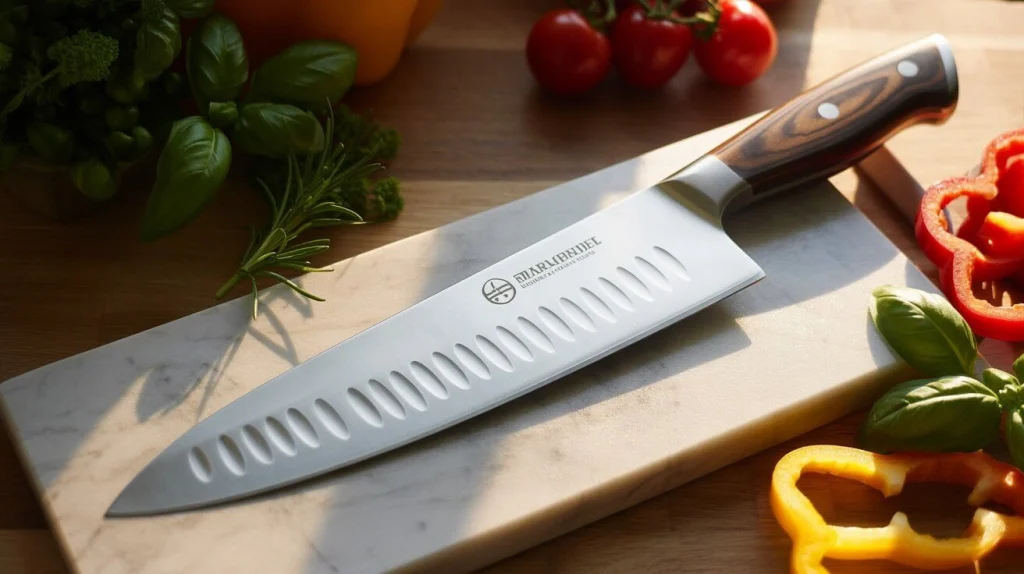
The best kitchen cooking knife for home care cooks isn’t the most expensive—it’s the one that feels right in your hand. From my experience:
- Comfort beats brand names
- Balance matters more than blade length
- Ease of use encourages healthier cooking habits
This is especially true when preparing meals for seniors who benefit from fresh, nutrient-dense food.
Final Thoughts from a Health Food for Seniors Perspective
Healthy eating for seniors starts in the kitchen, and the tools you use matter more than most people realize. A thoughtfully chosen kitchen cooking knife supports safer cooking, encourages fresh food preparation, and restores confidence for aging cooks.
Whether you’re a caregiver, home cook, or senior yourself, investing time in choosing the right knife pays off in better meals, improved safety, and a more enjoyable cooking experience.In my years of working with seniors, I’ve seen how something as simple as the right kitchen cooking knife can transform daily routines—and sometimes, even quality of life.
FAQs
Which knife brand is considered best for home cooks?
Top brands combine sharpness, durability, and comfort for everyday cooking.
Which type of knife do professional chefs use most?
Chefs often rely on versatile chef knives for chopping, slicing, and dicing.
What knife is used most in modern kitchens?
A chef knife or santoku knife is the most common for daily meal prep.
What is the 3-finger test for knives?
It’s a method to check grip and comfort, ensuring safe and precise handling.

Alison is a health blog author with an interest in the intersection of wellness and mental health. She’s worked as a writer, editor, and communications specialist for various healthcare organizations. Alison has also led projects to improve access to care for underserved populations in both rural and urban settings.