
Plant Health Care: Essential Tips for Healthier and Stronger Plants
Plants make any space feel alive. Whether you grow vegetables in your backyard, maintain ornamental shrubs, or care for indoor plants, keeping them healthy requires more than occasional watering. This is where plant health care becomes essential.
Many gardeners assume plants will grow naturally with little attention, but modern landscapes face challenges such as pests, poor soil quality, and environmental stress. A proper plant care program helps prevent these problems and supports long-term healthy plant growth.In this guide, I’ll explain what plant health is and why it is important, share practical tips from real gardening experiences, and show you how to improve plant health naturally.
Content
Understanding Plant Health Care
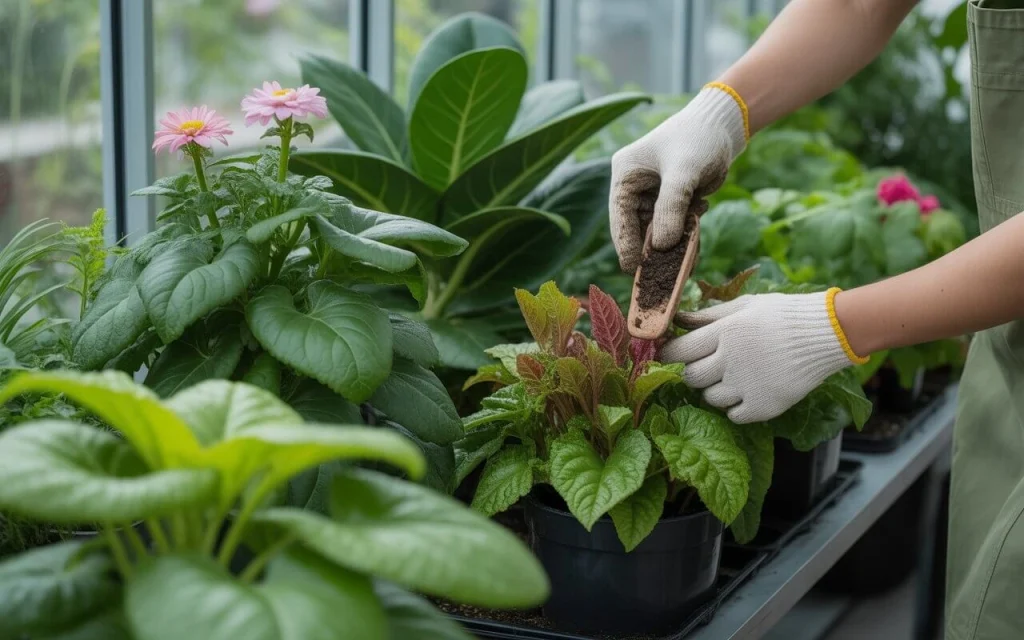
Simply put, plant health care is a proactive approach to maintaining plants so they stay strong, resilient, and disease-free. Instead of waiting for plants to become sick, gardeners focus on prevention, monitoring, and long-term care.Think of plant care the same way we think about personal health. Eating healthy food, exercising, and regular checkups keep us fit. Plants require a similar routine that includes proper nutrition, soil care, pest monitoring, and environmental support.
A good plant health care program usually includes:
- Monitoring plant conditions regularly
- Improving soil health for plants
- Providing proper watering and sunlight
- Managing pests and diseases early
- Supporting growth with balanced nutrients
When these elements work together, plants develop stronger roots, greener leaves, and better resistance to stress.
Why Plant Health Care Is Important for Gardens
Healthy plants do more than just look beautiful. They contribute to the overall environment and create a balanced ecosystem in your garden.
1. Stronger Plant Growth
Plants that receive proper plant nutrition management and consistent care grow faster and develop stronger structures.
2. Reduced Pest Problems
A healthy plant naturally resists many insects and diseases, making plant pest control easier.
3. Improved Landscape Appearance
Healthy plants produce vibrant leaves, flowers, and fruits that enhance any garden or landscape.
4. Environmental Benefits
Healthy plants help improve air quality, support pollinators, and reduce soil erosion.In my own garden, I noticed a major difference after implementing a simple plant maintenance techniques routine. Within one season, my vegetable plants became stronger and produced more yield.
Common Signs Your Plants Need Better Health Care
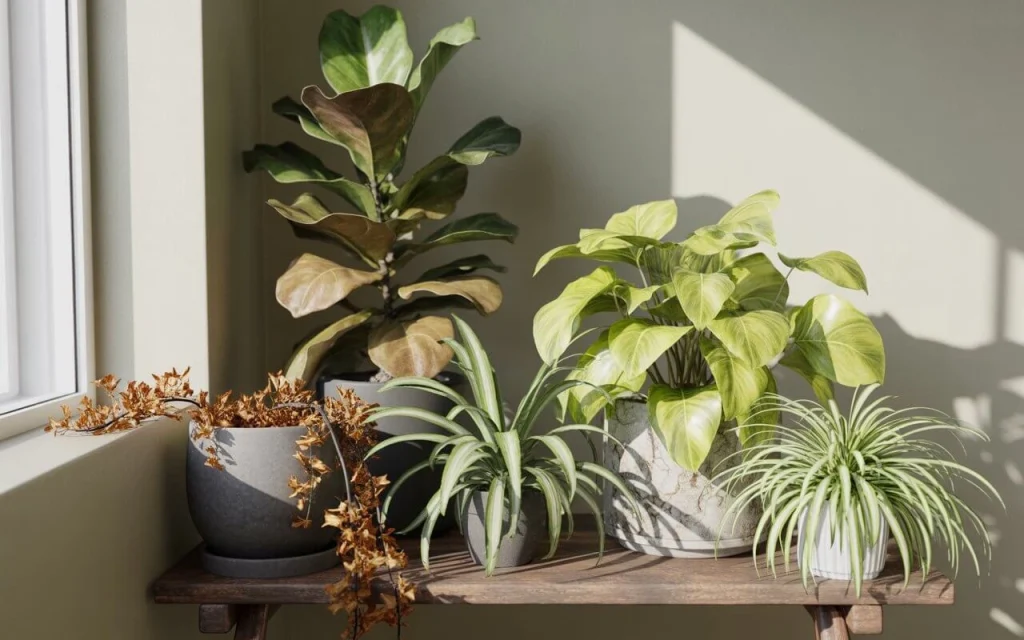
Sometimes plants give subtle warnings before serious damage occurs. Recognizing these signs early helps you fix problems quickly.Here are some signs of unhealthy plants and how to fix them:
Yellowing Leaves
This often indicates nutrient deficiency or poor watering habits.
Solution: Improve soil nutrients and adjust watering.
Stunted Growth
Plants that stop growing may suffer from compacted soil or lack of nutrients.
Solution: Improve soil health for plants with compost or organic matter.
Spots or Holes on Leaves
This usually indicates pests or disease.
Solution: Start plant disease prevention and inspect leaves regularly.
Wilting Plants
Wilting can happen due to underwatering, overwatering, or root problems.
Solution: Check soil moisture and improve drainage.
Observing plants regularly helps catch these issues early before they spread.
How Plant Health Care Works
A successful plant care strategy involves several steps that work together.
Landscape Assessment
The first step is understanding the environment where plants grow. Soil quality, sunlight exposure, and water availability all affect plant health.For example, a plant that thrives in shade may struggle in direct sunlight.
During assessment, gardeners typically check:
- Soil condition
- Plant species suitability
- Signs of pests or diseases
- Water drainage patterns
This information helps create a customized care plan.
Customized Plant Care Plan
Every garden is different. A good plan includes a mix of plant maintenance techniques that support long-term health.
Common components include:
- Proper plant selection
- Soil improvement
- Fertilization programs
- Mulching
- Pruning and trimming
- Plant pest control strategies
This approach focuses on prevention rather than reacting after damage occurs.
Regular Monitoring
One of the most important aspects of plant health care is monitoring plants regularly.
Checking plants weekly allows you to:
- detect pests early
- identify disease symptoms
- track growth progress
Early intervention makes plant disease prevention much easier.
Best Plant Health Care Tips for Home Gardens
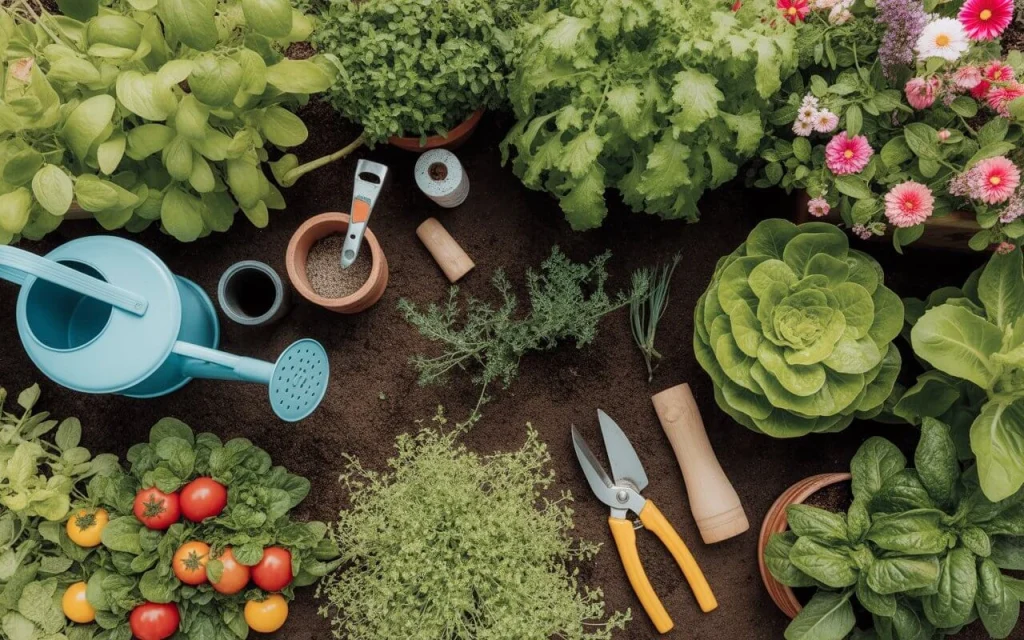
If you want best plant health care tips for home gardens, start with these practical methods.
Improve Soil Quality
Healthy soil is the foundation of every thriving garden.Adding compost and organic matter improves soil health for plants and provides essential nutrients.Healthy soil also improves drainage and encourages beneficial microorganisms that support plant roots.
Water Plants Correctly
Watering is one of the most misunderstood aspects of gardening.Instead of watering lightly every day, water deeply but less frequently. This encourages roots to grow deeper and improves healthy plant growth.
Provide Balanced Nutrition
Plants need nutrients like nitrogen, phosphorus, and potassium to grow properly.Balanced fertilization supports plant nutrition management and prevents nutrient deficiencies.Organic fertilizers and compost are excellent options for maintaining soil fertility.
Use Mulch to Protect Roots
Mulching is one of the easiest organic plant care practices.
Mulch helps:
- retain moisture
- regulate soil temperature
- suppress weeds
- improve soil quality over time
Organic materials such as bark chips, straw, or compost work well.
Prune Plants Regularly
Pruning removes damaged branches and improves air circulation.
This reduces the chances of fungal diseases and supports better growth.
Regular pruning is an important part of plant maintenance techniques.
How to Protect Plants from Pests and Diseases
One of the biggest challenges in gardening is controlling pests and plant diseases.Understanding how to protect plants from pests and diseases can save your entire garden.Here are some effective strategies:
Encourage Beneficial Insects
Ladybugs, lacewings, and praying mantises naturally control harmful insects.
Maintain Clean Garden Conditions

Removing dead leaves and debris prevents pests from hiding.
Use Natural Treatments
Neem oil, insecticidal soap, and compost tea are effective organic plant care solutions.
Rotate Crops
Crop rotation prevents soil-borne diseases and improves plant resilience.
These techniques help maintain balance without relying heavily on chemicals.
Organic Plant Health Care Methods
Many gardeners today prefer sustainable approaches to plant care.Organic plant health care methods for healthy growth include:
- composting
- natural fertilizers
- biological pest control
- companion planting
These methods improve soil health and protect the surrounding ecosystem.In my garden, switching to compost-based fertilization dramatically improved vegetable yields within two seasons.
Real-Life Case Study: Reviving a Struggling Backyard Garden
A neighbor of mine, Sarah, struggled with her backyard vegetable garden for years. Her tomato plants were constantly attacked by pests, and the leaves turned yellow before producing fruit.After discussing her gardening routine, we realized the main issue was poor soil quality and lack of monitoring.We implemented a simple plant health care routine:
- Added compost to improve soil health for plants
- Installed mulch to retain moisture
- Introduced natural pest control methods
- Checked plants weekly for early pest detection
Within three months, her tomato plants began producing healthy fruit. By the end of the season, her harvest doubled compared to the previous year.This example clearly shows how to improve plant health naturally with consistent care.
Simple Plant Health Care Routine for Gardeners
If you’re new to gardening, start with a basic weekly routine.
Weekly Tasks
- Inspect leaves for pests
- Check soil moisture levels
- Remove weeds and damaged leaves
Monthly Tasks
- Apply organic fertilizer
- Check mulch levels
- Prune overgrown branches
Seasonal Tasks
- Refresh compost
- rotate crops
- plant disease prevention treatments
Following this routine ensures plants remain healthy throughout the growing season.
Final Thoughts
A successful garden doesn’t happen by accident. It requires attention, knowledge, and a consistent plant health care approach. By improving soil health for plants, practicing plant disease prevention, and following smart plant maintenance techniques, you can create a thriving garden that produces beautiful plants year after year. Whether you grow flowers, vegetables, or ornamental trees, applying these strategies will help you maintain healthy plant growth while reducing pest and disease problems.
Just like caring for High porosity hair, plants also need the right balance of moisture and nutrients to stay strong. With the right care, even struggling plants can recover and flourish—just like Sarah’s garden did.
FAQs
Why is Gen Z obsessed with plants?
Gen Z enjoys plants for stress relief, home decoration, sustainability, and the satisfaction of nurturing living things.
What are the 4 basic needs of plants?
Plants need sunlight, water, air, and nutrients from soil to grow, develop strong roots, and produce healthy leaves.
What are the 7 basic requirements for plants?
Plants require sunlight, water, air, nutrients, proper temperature, space to grow, and suitable soil conditions.
What are 5 plant points?
Five key points include sunlight, water, nutrients, healthy soil, and proper space for roots and plant growth.
What are three types of health care?
The three main types are preventive care, curative care, and rehabilitative care, used in both human and environmental systems.

Alison is a health blog author with an interest in the intersection of wellness and mental health. She’s worked as a writer, editor, and communications specialist for various healthcare organizations. Alison has also led projects to improve access to care for underserved populations in both rural and urban settings.


