Medical Tape: Uses, Types, and How to Choose the Right One
This seemingly small, everyday item plays a crucial role in healthcare, first aid, and personal wound care. Whether you are managing minor cuts at home, caring for a senior loved one, or working in a clinical setting, choosing the right medical tape can make a significant difference in comfort, healing, and safety. In this guide, we will explore its uses, types, and practical tips for selecting the best option, based on real-world experiences and expert recommendations.
Content
Why Medical Tape Matters
I’ve been caring for my elderly mother for several years, and one thing I quickly realized is how important the right tape can be. Not all options are the same—some can irritate sensitive skin, while others may not provide enough adhesion for bandages or wound dressings. Using the wrong type can lead to discomfort, slow healing, or even skin damage.
Medical tape is designed to secure bandages, dressings, and medical devices while protecting skin and supporting recovery. It’s also essential in first aid kits, surgical procedures, and athletic care. Understanding the different types and features can save both time and frustration.
Common Uses of Medical Tape
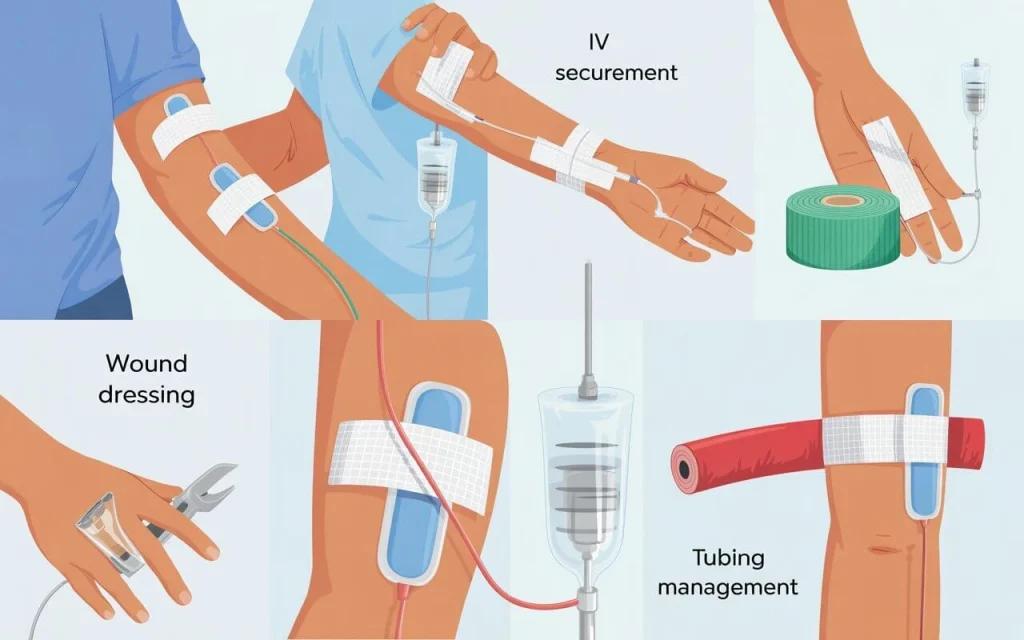
This versatile product can be used in a variety of situations. Some of the most common use cases include:
- First aid and wound care: Securing bandages for cuts, scrapes, or post-surgical wounds.
- Sensitive skin protection: Using hypoallergenic medical tape on elderly or infant skin.
- Athletic applications: Supporting joints and muscles with elastic or cloth medical tape.
- Clinical and hospital use: Keeping IVs, catheters, or surgical dressings in place.
Case Study: My friend Lisa, a retired nurse, once shared a story about her 82-year-old father, who had fragile skin due to long-term steroid use. Standard adhesive options caused rashes and irritation. Switching to a hypoallergenic tape ensured dressings stayed in place without damaging his skin, making daily care easier and more comfortable.
Types of Medical Tape
Different types of tape are designed for specific applications. Here’s a breakdown of the most commonly used varieties:
1. Surgical Tape
Surgical tape is lightweight, breathable, and gentle on skin, making it ideal for post-operative care. It is often sterile and provides reliable adhesion for bandages and dressings without causing irritation.
2. Cloth Tape
Cloth tape is stronger and more durable, suitable for situations requiring more secure adhesion. It’s often used for athletic support, splints, or areas that experience movement.
3. Elastic or Athletic Tape
Elastic medical tape is flexible and stretches with the skin or joints. It’s perfect for supporting sprains, strains, and other sports-related injuries.
4. Synthetic Polymer Tape
This type offers strong adhesion, moisture resistance, and durability. It’s ideal for securing IV lines or medical devices and can handle moisture and movement without losing effectiveness.
5. Hypoallergenic Medical Tape
Designed for sensitive skin, hypoallergenic tape is latex-free and gentle, making it the best choice for elderly care or infants. It helps prevent rashes, irritation, and discomfort while maintaining reliable adhesion.
How to Choose the Right Tape for Wound Care and Support
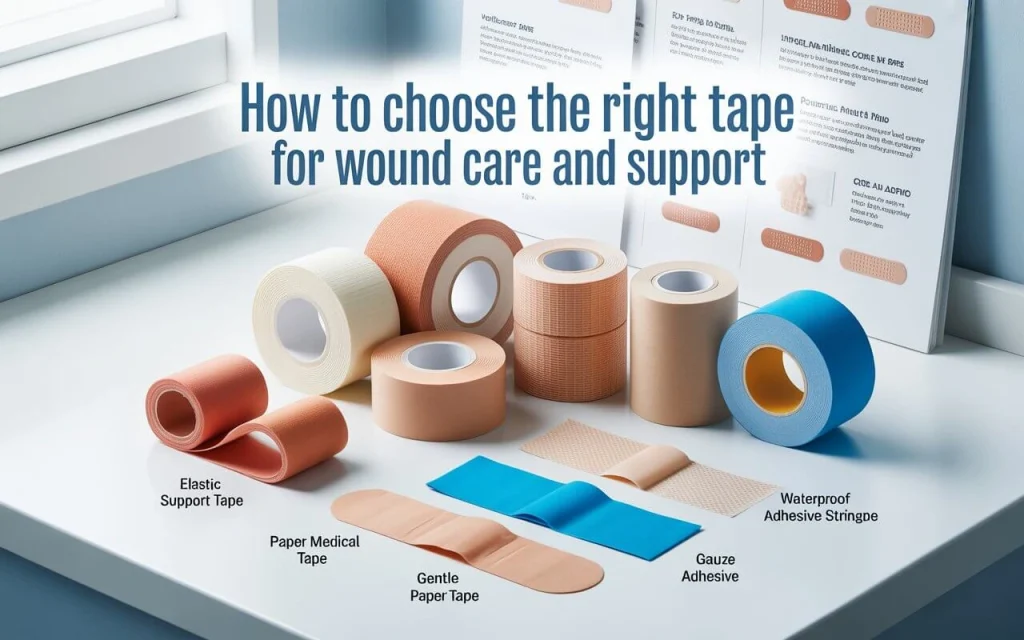
Choosing the right tape depends on the intended use, skin sensitivity, and surrounding conditions. Here are some practical tips:
- Consider skin sensitivity: For fragile or sensitive skin, always choose hypoallergenic medical tape.
- Check adhesion strength: Strong adhesive works for active areas, while gentle adhesive is better for delicate skin.
- Assess flexibility and breathability: Areas with frequent movement benefit from elastic or cloth tape that moves with the body.
- Evaluate moisture resistance: For outdoor or sports use, synthetic polymer tape may last longer.
- Think about ease of removal: Some tapes can be removed without causing pain, which is important for daily dressing changes.
Pro Tip: Always test a small piece of tape on the skin first to ensure it won’t cause irritation.
Real-Life Example: Using Medical Tape for Senior Care
When caring for seniors, medical tape is often part of daily routines. I once helped my grandmother recover from minor surgery on her arm. Her skin was extremely thin and prone to tearing. By using hypoallergenic medical tape with a light adhesive, we were able to secure her dressings for several hours without causing discomfort or skin damage.
Additionally, I used cloth tape for supporting her arm during physiotherapy exercises. The combination of the right tapes not only kept the wounds protected but also improved her mobility and confidence during recovery.
Tips for First Aid and Everyday Use
- Always clean and dry the area before applying tape.
- Avoid stretching the tape too tightly, especially on sensitive skin.
- Rotate tape types depending on the activity or wound type.
- Keep a variety of tapes in your first aid kit for different situations.
- Label tape rolls if needed to avoid confusion between strong and gentle adhesive types.
Final Thoughts
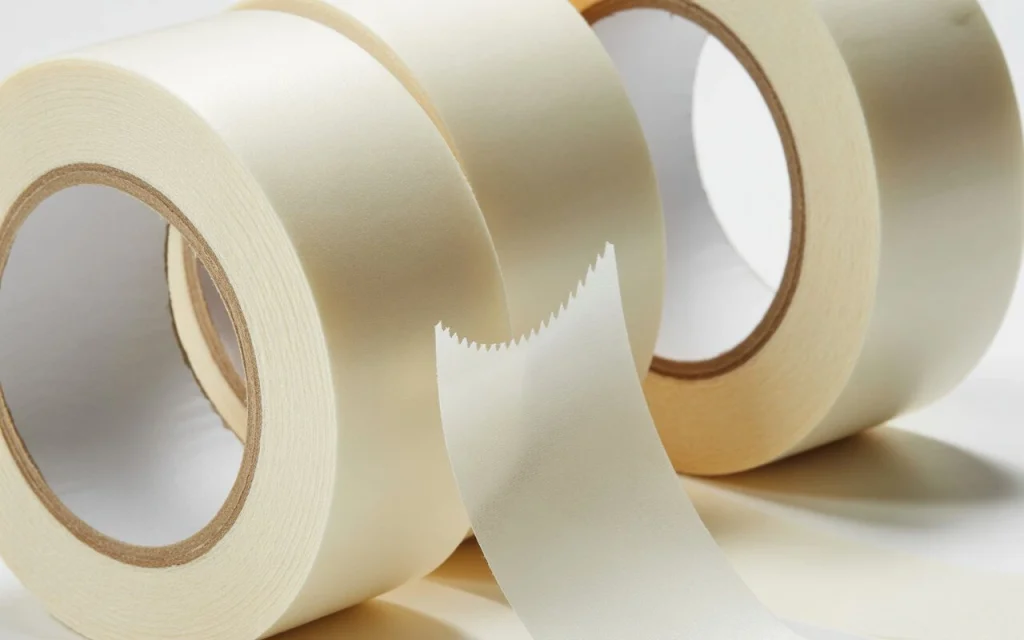
Medical tape may seem like a minor product, but selecting the right type can make a big difference in wound care, first aid, and day-to-day health management. From hypoallergenic tape for sensitive skin to elastic options for added support and surgical varieties designed for post-operative care, understanding your options helps you make informed choices.
Just as professionals research factors like Medical billing and coding salary before entering a healthcare career, taking time to choose the right medical tape can significantly improve comfort, accelerate healing, and provide peace of mind—especially when caring for seniors or individuals with delicate skin. Ultimately, the best option is one that meets your specific needs, protects the skin, and supports recovery effectively.
FAQs
How long does it take for surgical tape to fall off?
Depends on skin type and tape; usually 1–7 days, may loosen sooner with movement or moisture.
What happens if you leave tape on your skin too long?
Prolonged use can cause irritation, redness, or minor skin damage.
How to apply surgical tape properly?
Clean and dry skin, apply gently without stretching, and press edges to secure.
Can I shower with tape on?
Most surgical tapes are water-resistant, but prolonged soaking may weaken adhesion.
Can you X-ray through tape?
Yes, standard tapes are generally safe for X-ray imaging; remove only if obstructive.

Alison is a health blog author with an interest in the intersection of wellness and mental health. She’s worked as a writer, editor, and communications specialist for various healthcare organizations. Alison has also led projects to improve access to care for underserved populations in both rural and urban settings.